How to Take Care of Your Jewelry: The Ultimate Maintenance Guide
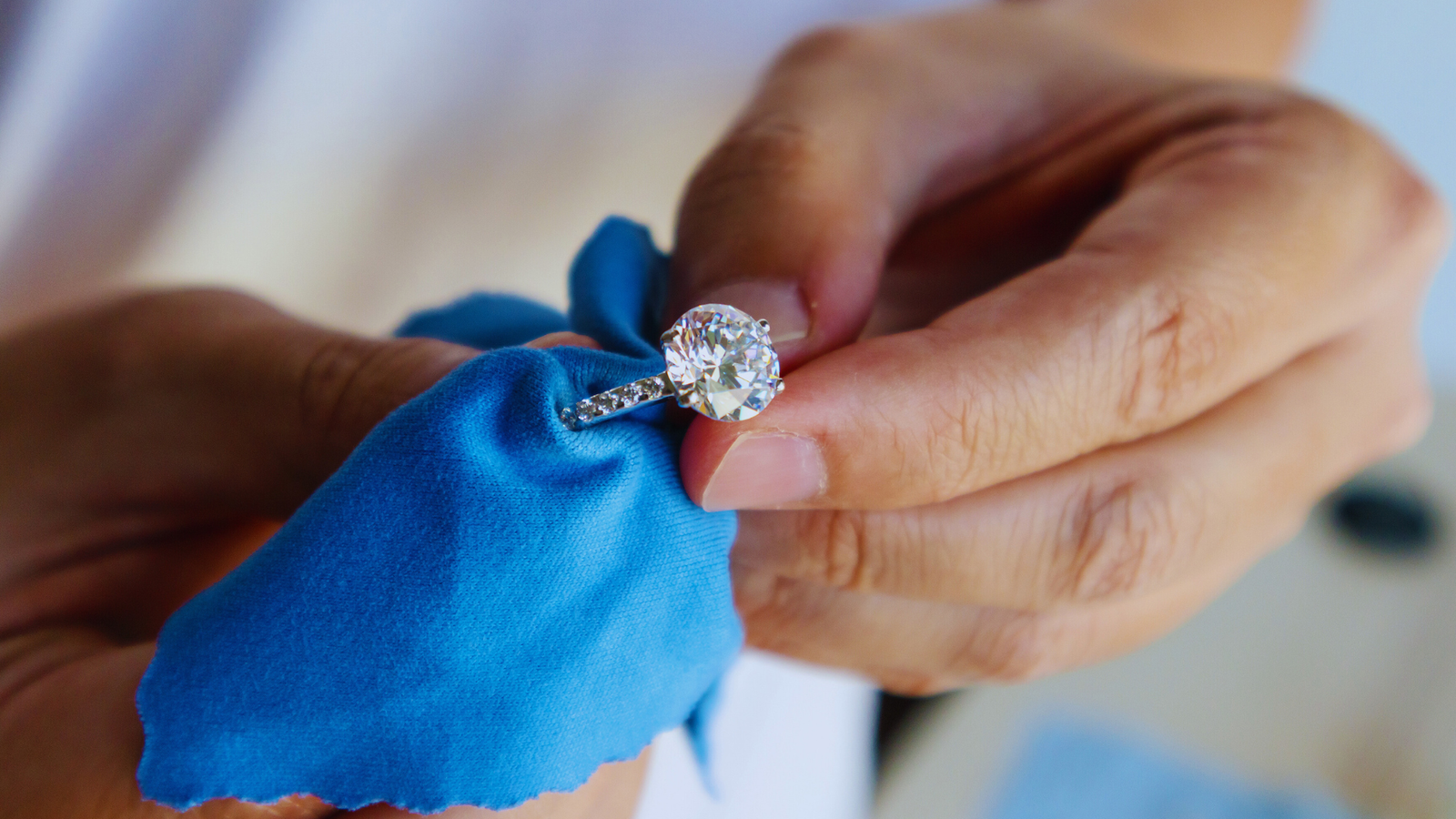
Proper jewelry care is the difference between a piece that lasts five years and an heirloom that lasts five decades. At Endless Charms, we believe that an informed owner is the best guardian of a jewelry's legacy. Throughout our years in the Angeles City jewelry market, we’ve seen countless pieces lose their luster simply because of avoidable home-care mistakes. Whether it’s your engagement ring or a family "pamana," this blog provides the exact science and daily workflows you need to keep your gold and gemstones in "day-one" condition from the comfort of your home.
1. The Chemistry of Jewelry: Understanding Your Materials
In the Philippines, our jewelry faces unique environmental stressors: high heat, salt air, and 90% humidity. Before you can clean your jewelry, you must understand the materials' chemistry. We categorize home care into three main pillars: Metals, Hard Stones, and Organic Gems.

The 18k vs. 14k Gold Reality
Gold is a noble metal, meaning it doesn't oxidize (rust), but it is naturally soft. 18k gold (75% purity) is richer in color but more prone to "micro-scratches" from everyday contact with surfaces like car doors or laptop edges. 14k gold (58.5% purity) is harder due to its higher alloy content but can sometimes react to very high skin acidity, appearing slightly duller over time. Both require a gentle touch—harsh scrubbing with a stiff brush can actually "sand down" the high-polish finish over several years.
The "Oil Magnet" Problem: Moissanite and Lab Diamonds
One technical detail many owners miss: Diamonds and Moissanite are lipophilic. They naturally attract grease and oils. In our tropical climate, this means your stone is constantly absorbing skin oils, sweat, and the heavy lotions/SPFs we use daily. This creates a "biofilm" on the pavilion (the bottom) of the stone, blocking light and making a ₱100,000 ring look like a piece of glass. Regular cleaning keeps your stone sparkling the way it was meant to.
2. The "Last On, First Off" Philosophy
The most effective jewelry care happens before you even leave your house. We call this the "Pro-Habit" routine. Most of the damage we see in the market is "cumulative damage"—small mistakes made daily over many years that eventually require expensive repairs.
The SPF and Cosmetic Hazard
In Pampanga, sunblock is a daily essential. However, the zinc oxide and titanium dioxide in many SPFs act as mild abrasives. If you apply sunblock while wearing your rings, the cream gets trapped in the prongs. As you move, those tiny particles act like sandpaper against the gold and the girdle of the stone. Always apply your cosmetics, hairsprays, and perfumes at least 10 minutes before putting on your jewelry to allow the chemicals to settle and dry.
The "Chlorine Crisis" and Stress Corrosion
Chlorine is the "silent killer" of gold jewelry. Whether it's in a swimming pool or a household cleaning spray, chlorine causes a chemical reaction called Stress Corrosion Cracking. It attacks the alloy metals (like nickel or zinc) inside your gold. Over time, this makes the metal brittle. We’ve seen many "mystery" stone losses where the prong simply snapped off because it was weakened by repeated exposure to pool water. If you are heading to a resort or cleaning the house, your jewelry belongs in a safe box, not on your body.
3. The Definitive Home Cleaning Protocol
You don’t need specialized "jewelry dips" that often contain ammonia or harsh acids. Our recommended home method uses safe household items and takes less than 20 minutes once a week.

- The Gentle Soak: Fill a small ceramic bowl with lukewarm water. Add two drops of mild, clear dish soap (avoid "extra strength" or moisturizing soaps with oils). Submerge your jewelry for 15–20 minutes. This softens the buildup of skin oils and lotion.
- The Detail Scrub: Use an extra-soft "baby" toothbrush. Holding the piece gently, focus on the undergallery—the space beneath the center stone. This is where 90% of the dirt lives. Scrub in a circular motion, but never apply heavy pressure to the prongs.
- The Double Rinse: Rinse the piece in a separate bowl of clean, room-temperature water. Crucial Expert Tip: Never rinse directly over an open drain. Use a mesh strainer or a bowl to ensure you don't lose a stone if a prong happens to be loose.
- The Drying Phase: Blot (don't rub) the piece dry with a lint-free microfiber cloth. If you have an intricate setting, you can use a hairdryer on the coolest setting to blow out trapped water, preventing "water spots" on the stone's facets.
4. Protecting Organic and Delicate Gems
If you own pearls, opals, or emeralds, the rules change entirely. These are the "sensitive souls" of the jewelry world and require a different set of DIY rules.
- Pearls: These are alkaline and porous. They literally breathe. If they get too dry, they crack; if they get too wet, the silk thread rots. Wipe them with a dry, soft cloth after every wear to remove sweat. Never "soak" a pearl necklace.
- Opals: Opals contain up to 20% water. If exposed to extreme heat (like being left in a car in the Philippine sun), they can "craze" or crack internally. Store them with a small damp cotton ball if your room is very dry or air-conditioned.
- Emeralds: Most emeralds are "filled" with cedar oil to hide natural inclusions. Hot water or steam will strip this oil, leaving the stone looking pale and fractured. Use only room-temperature water and zero chemicals.
5. How to Check if Your Diamond Ring is Loose
While we don't provide cleaning services, we encourage every owner to be their own "inspector." Catching a loose stone at home can save you the heartbreak of losing a diamond in public.
- The "Wiggle" Test: Use a wooden toothpick to gently press against the side of your stone. If the stone moves even slightly, do not wear the ring. It needs professional prong tightening.
- The Sound Test: Hold the ring close to your ear and tap the band with your fingernail. If you hear a tiny "rattle," it’s a sign that a stone is loose in its seat.
- The Snag Test: Gently run your ring across a piece of silk or a pair of stockings. If the prongs "snag" the fabric, it means they have lifted or become sharp and need to be smoothed down.
6. Strategic Storage: Avoid the "Jumble"
The #1 cause of scratches isn't wearing jewelry; it's storing it poorly. Because diamonds are a 10 on the Mohs scale, they will easily scratch your 18k gold (which is a 2.5–3 on the scale) if they rub together in a box.
- Individual Housing: Every "Endless Charms" piece comes with a dedicated box or pouch. Keep it there. If you use a large jewelry box, ensure it has velvet-lined slots that prevent pieces from touching.
- The Anti-Tarnish Trick: For silver or low-karat gold, include an anti-tarnish strip or a small packet of silica gel in your storage box to absorb the Pampanga humidity.
- Vertical Chains: To avoid those "micro-knots" that lead to chain breakage, hang your necklaces vertically on hooks or specialized jewelry trees.
7. Troubleshooting: Common Issues and Fixes
"My ring is turning my finger green!"
This is usually a reaction between skin acidity and the copper/silver alloys in gold. It doesn't mean your gold is "fake," but it may mean you need to dry your hands more thoroughly after washing or apply a thin layer of clear ceramic coating designed for jewelry.
"My stone looks foggy even after cleaning."
You might have "hard water" deposits from tap water. Try a final rinse with distilled water to avoid mineral buildup on the facets.
Your Legacy, Your Responsibility
Jewelry is one of the few things we own that can truly last forever. It carries the weight of your wedding day, your anniversaries, and your family's history. By following this 1,200-word guide, you aren't just cleaning a ring; you are preserving a memory. At Endless Charms, our mission is to ensure that the jewelry we craft for you remains as brilliant as the day you first wore it.
Ready to invest in a piece built for a lifetime? Browse our certified engagement rings and 18k gold wedding bands. Each piece is designed with durability and ease of maintenance in mind.
Follow us on Facebook and Instagram for daily maintenance reminders, "DIY" care videos, and exclusive jewelry tips!