Can a Jeweler Tell Moissanite vs Lab Diamond? Side-by-Side Test

Can a Jeweler Tell the Difference? Moissanite vs. Lab Diamond Side-by-Side Test
One of the most common questions we hear at Endless Charms: "Won't a jeweler be able to tell my ring is moissanite and not a real diamond?"
The answer might surprise you. In this guide, we'll break down exactly what jewelers CAN and CANNOT detect, why the difference matters, and how to make the right choice between moissanite and lab-grown diamonds for your engagement ring.
The Direct Answer: What Jewelers Can Actually Detect
Yes, a trained jeweler with proper equipment CAN usually tell the difference between moissanite and lab diamonds. However, there are important nuances:
- With specialized equipment: Easy to identify (refractive index test, thermal conductivity test)
- With naked eye: Only if they know what to look for (moissanite has more sparkle)
- With basic gemological tools: Possible but not 100% certain
- Most jewelers in Philippines: Can identify if trained, but many cannot
The real question isn't "Can they tell?" but rather "Does it matter?"
Moissanite vs. Lab Diamond: What's the Actual Difference?
Chemical Composition
- Diamond (lab or natural): Pure carbon (C)
- Moissanite: Silicon carbide (SiC)
This fundamental difference is what allows jewelers to distinguish them scientifically.
Optical Properties Comparison
| Property | Lab Diamond | Moissanite | Natural Diamond |
|---|---|---|---|
| Refractive Index | 2.42 | 2.65 | 2.42 |
| Hardness (Mohs) | 10 | 9.25 | 10 |
| Sparkle Level | Moderate | Very High | Moderate |
| Visible Rainbow (Fire) | Minimal | Noticeable | Minimal |
| Color | Colorless | Colorless (top grades) | Varies |
Testing Methods: How Jewelers Tell Them Apart
1. Refractive Index (RI) Test
What it is: Measures how light bends when entering the stone.
How it identifies:
- Diamond RI = 2.42 (reads on refractometer)
- Moissanite RI = 2.65 (clearly different reading)
Accuracy: 99% - This is the gold standard test.
2. Thermal Conductivity Test
What it is: Uses a thermal pen to measure heat conductivity.
How it identifies:
- Diamonds conduct heat quickly (specific pattern)
- Moissanite conducts heat differently
Accuracy: 95% - Very reliable but requires experience.
3. Loupe Inspection (Naked Eye + 10x Magnification)
What a trained jeweler looks for:
In Moissanite:
- Stronger "fire" (rainbow sparkle) when tilted
- Double refraction visible under magnification
- More colorful flashes when moved
- Consistent brightness (no depth variation)
In Lab Diamond:
- Subtle sparkle pattern similar to natural diamond
- Single refraction (no doubling)
- No rainbow fire visible
- More variation in light movement
4. Birefringence Double Image Test
What it is: Looking through the top of the stone at a line beneath it.
In moissanite: You see a DOUBLE line (birefringent)
In diamond: You see a SINGLE line (not birefringent)
Accuracy: Nearly 100%
5. Spectroscope Analysis
What it is: Advanced equipment analyzing light absorption patterns.
How it works: Different materials absorb light wavelengths differently, creating unique "fingerprints."
Accuracy: 99%+
What About Lab Diamonds vs. Natural Diamonds?
Here's an important reality: Jewelers CANNOT reliably tell lab diamonds from natural diamonds with visual inspection alone.
They look IDENTICAL under any magnification. The only way to distinguish them is through advanced lab testing that measures atomic defects and impurities created during the lab process.
This is why:
- Lab diamond rings often come with certification from GIA or AGS
- Reputable jewelers disclose lab origin
- Lab diamonds have lower resale value (40-60% of purchase price)
- Natural diamonds retain value better (typically 60-80% resale value)
Moissanite vs. Lab Diamond: Which Should You Choose?
Choose Lab Diamond If:
- You want a diamond-identical appearance
- You prefer subtle, understated sparkle
- You want the traditional "diamond" name
- You can afford ₱69,000-₱117,000 for 1 carat
- You're concerned about the "fire" of moissanite being noticeable
Choose Moissanite If:
- You love maximum sparkle and brilliance
- Budget is a priority (₱34,000-₱53,000 for 1 carat)
- You want ethical, conflict-free sourcing
- You prefer modern, trendy aesthetics
- You value durability (9.25 vs 10 on Mohs scale is negligible)
- You want customization options without financial stress
Price Comparison (Philippines, February 2026)
| Ring Type | 1 Carat Price | 18k Gold Setting | Total Estimated Cost |
|---|---|---|---|
| Moissanite | ₱34,000-₱53,000 | ₱3,000-₱8,000 | ₱37,000-₱61,000 |
| Lab Diamond | ₱69,000-₱117,000 | ₱3,000-₱8,000 | ₱72,000-₱125,000 |
| Natural Diamond | ₱385,000-₱500,000+ | ₱3,000-₱8,000 | ₱388,000-₱508,000+ |
Real-World Side-by-Side Comparisons
Under Sunlight Indoors
Moissanite: Super sparkly, noticeable rainbow fire, eye-catching
Lab Diamond: Brilliant white sparkle, subtle and classic
Verdict: Different, but both stunning
In Photographs/Video
Moissanite: EXTREMELY photogenic, looks incredible on Instagram
Lab Diamond: Beautiful but less dramatic in photos
Verdict: Moissanite wins for social media
At Jewelry Store Under LED Lights
Moissanite: Flashes of rainbow, harder to assess true color
Lab Diamond: Consistent, clear, easier to appreciate quality
Verdict: Lab diamond easier to evaluate
During Wedding Day In Natural Light
Moissanite: Absolutely stunning, maximum presence on hand
Lab Diamond: Classic elegance, traditional beauty
Verdict: Both are gorgeous, different vibes
Does It Matter If a Jeweler Can Tell?
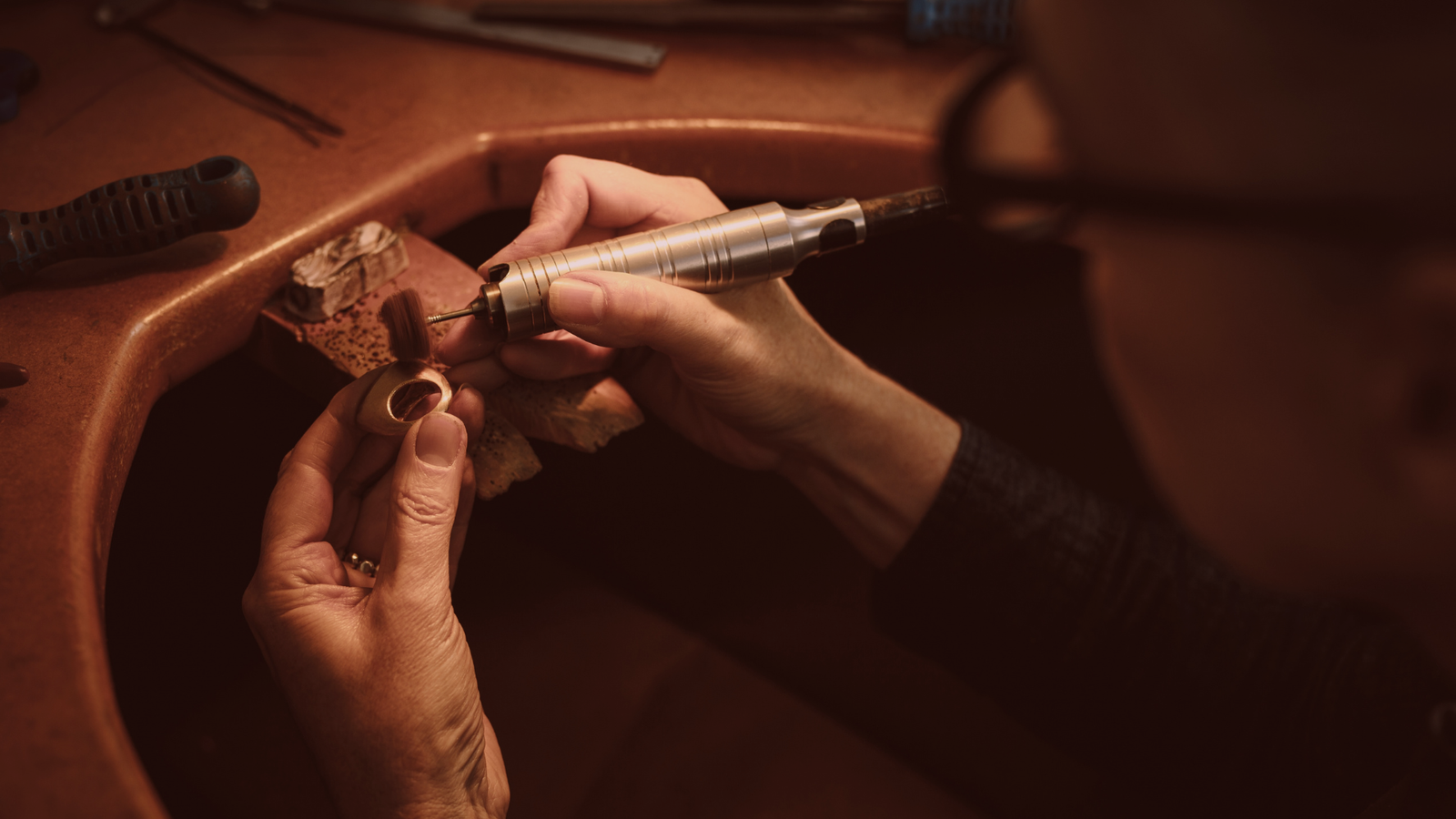
Here's the honest truth for Filipino couples:
Why You Shouldn't Worry
- You own it. You decided on moissanite—there's nothing wrong with that choice.
- Lab testing costs money. Most jewelers won't test unless you specifically ask.
- Most people can't tell the difference. 95% of people looking at your ring will think it's a stunning diamond.
- Your happiness matters most. You're wearing this ring daily for 50+ years, not the jeweler.
- Moissanite is legitimate. It's not "fake"—it's a different gemstone that's scientifically superior in hardness and sparkle.
Why Transparency Matters
That said, should you tell people it's moissanite?
- Romantic partners: Yes, absolutely be honest
- Family members: Your choice, but transparency builds trust
- Casual acquaintances: Not necessary, but there's no shame in it
- Future jewelers: Always disclose so they can service it properly
- When selling/pawning: Declare it accurately and legally
Can You Even Pawn Moissanite in the Philippines?
Short answer: Not for full value, but yes for the gold.
Details:
- Most pawnshops won't accept moissanite stones (they value diamonds only)
- However, the 14k-18k gold setting has significant resale value
- You can always have the moissanite removed and gold pawned
- The moissanite itself can be sold privately to other collectors
This is why at Endless Charms, all our gold settings are fully authentic and pawnable—even if you decide to part with the stone later.
The Filipino Perspective on Moissanite vs. Lab Diamond
In Filipino culture, jewelry serves multiple purposes:
- Symbol of commitment - emotional value
- Emergency financial asset - practical value
- Social status symbol - cultural value
- Family heirloom - generational value
This is why the moissanite vs. lab diamond choice matters more here than in Western countries:
Moissanite Advantage: You save ₱40,000-₱70,000 that could go toward your couple's future, home, or honeymoon. The ring's primary function (symbol of commitment) isn't compromised.
Lab Diamond Advantage: Better resale value if life circumstances change. More "diamond-like" appearance traditional families might prefer.
What Endless Charms Recommends
We believe the right choice depends on your priorities:
For Maximum Value & Modern Aesthetics → Moissanite
You get:
- Superior sparkle and brilliance
- ₱40,000-₱70,000 savings
- 100% ethical sourcing
- Custom design freedom
- Lifetime durability guarantee
For Traditional Diamond Feel & Better Resale → Lab Diamond
You get:
- Diamond appearance and properties
- More conservative aesthetic
- Better resale value (still 40-60%)
- Easier to certify through international labs
- Greater financial flexibility in future
👉 Compare Our Moissanite & Lab Diamond Rings
Frequently Asked Questions
Will my moissanite ring look "cheap" compared to lab diamonds?
Absolutely not. Moissanite actually looks MORE luxurious due to superior sparkle. People typically comment that it's "the most beautiful diamond" they've ever seen, not "that's obviously moissanite."
If I tell someone my ring is moissanite, will they judge me?
Possibly in outdated circles, but anyone with current knowledge understands moissanite is the smarter choice. Modern couples appreciate pragmatic decisions. Plus, why do you need validation from people with outdated jewelry standards?
Can a jeweler refuse to work on moissanite without testing first?
A reputable jeweler should ask about the stone type before servicing. They'll want to know for proper handling during cleaning/repairs. This isn't judgmental—it's professional.
What if I buy lab diamond now but want to swap for moissanite later?
You can always have the stone removed and remounted. Your gold setting remains valuable. At Endless Charms, we offer remounting services for exactly this reason.
Is there a moissanite that looks EXACTLY like diamond with zero rainbow fire?
Yes! Premium grades (Forever One by Charles & Colvard) have minimal fire. Older moissanite had more visible rainbow—premium modern moissanite is virtually indistinguishable except to trained gemologists.
Between moissanite and lab diamond, which holds value better?
Lab diamond: 40-60% resale value
Moissanite: 30-50% resale value (mostly the gold setting)
Neither holds value like natural diamonds, but the gap is closing as moissanite gains market acceptance.
The Real Truth
Yes, jewelers CAN tell the difference between moissanite and lab diamonds with proper equipment. But here's what matters more:
- Your engagement ring should make YOU happy, not strangers
- The financial difference (₱40,000-₱70,000) is significant for most couples
- Both stones are legitimate, durable, and beautiful
- Modern couples increasingly choose moissanite for smart reasons
- Your commitment to your partner is real—the stone type is just the sparkly container
Make the choice that aligns with your values, budget, and aesthetic preference. Then wear it with confidence.
Ready to Choose Your Engagement Ring?
At Endless Charms, we offer both moissanite and lab diamond options so you can make the choice that's right for YOU:
- Expert assessment: Try both side-by-side
- Custom design: Your vision in your budget
- Authentic gold: 14k-18k certified settings
- Lifetime guarantee: We stand behind every ring
- No judgment: Only support for your choice
👉 Browse Moissanite & Lab Diamond Collections
👉 Schedule Your Personal Ring Consultation
👉 Compare All Ring Options Side-by-Side
Your engagement ring tells the story of your love. Make sure it's the story you want to tell.